
17 Seconds in the Forge
Re-programming the residue of violence with Miranda Viscoli

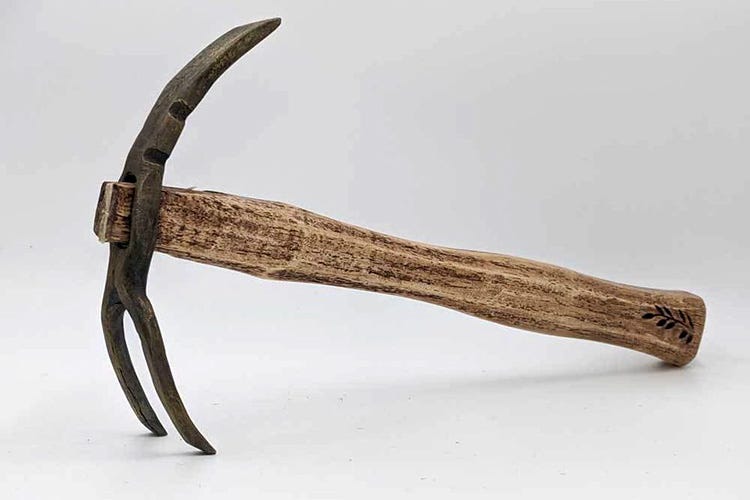
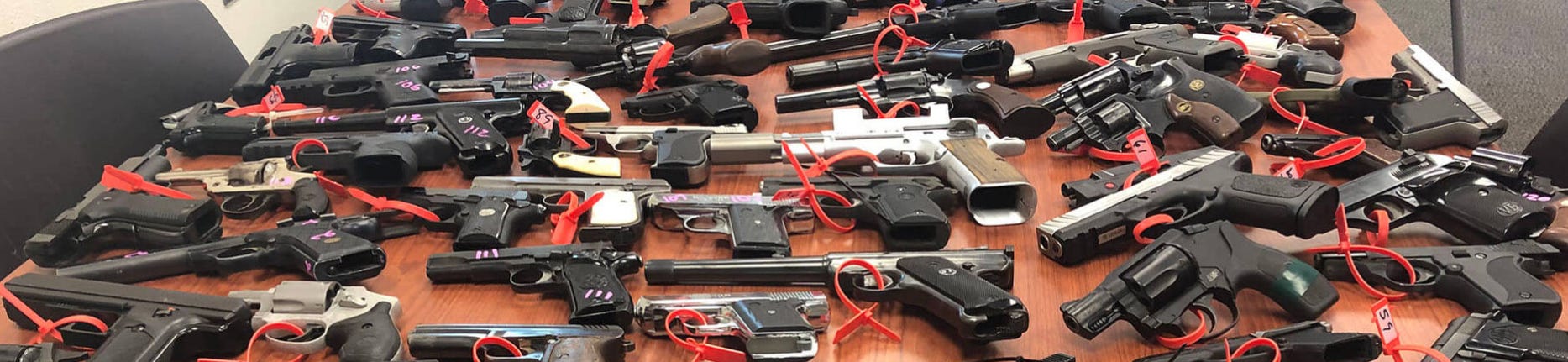
In the back of a welding shop in Albuquerque’s South Valley, a transformation occurs that challenges everything we think we know about the end of a story. It is a place where the residue of jagged and cold violence meets the white-hot heat of a forge.
Here, the program of destruction is not just stopped, it is physically and spiritually re-programmed.
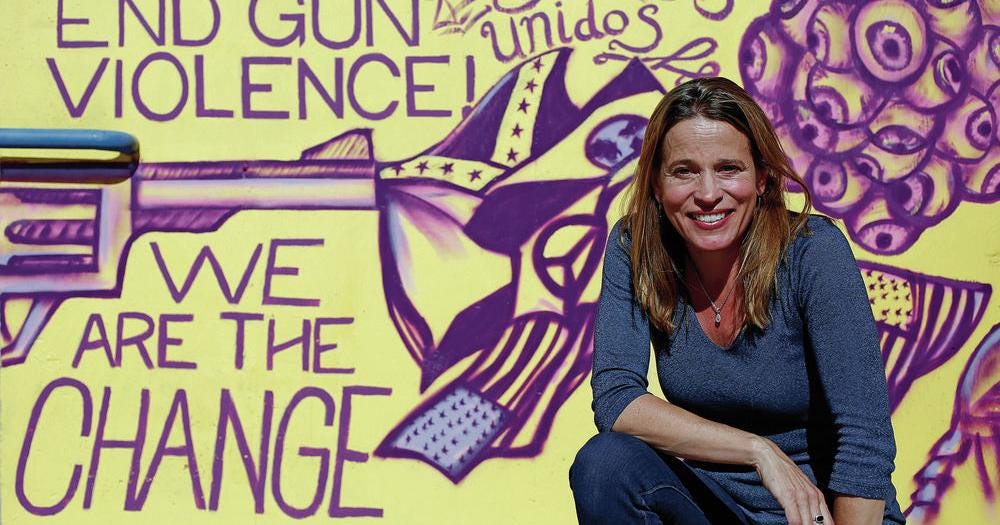
For Miranda Viscoli, the path to the forge began with a radical living interruption. An art historian by training, Miranda’s own narrative shifted in the wake of the Sandy Hook shooting, a moment that demanded a new kind of creative response. As the executive director of New Mexicans to Prevent Gun Violence, she moved from analyzing history to physically re-shaping it.
In that welding shop in Albuquerque’s South Valley, Miranda and a community of students at RFK High School are proving that legacy is not a static weight but a choice made in the heat of the moment.
This is the practice of de-legacy. It is the radical, artistic act of stripping an object of its past power to make room for a new, benevolent use. When a firearm, an object designed to end a narrative, is dismantled and heated until it glows, it loses its identity as a weapon.
It becomes, quite literally, raw material for a new kind of peace.
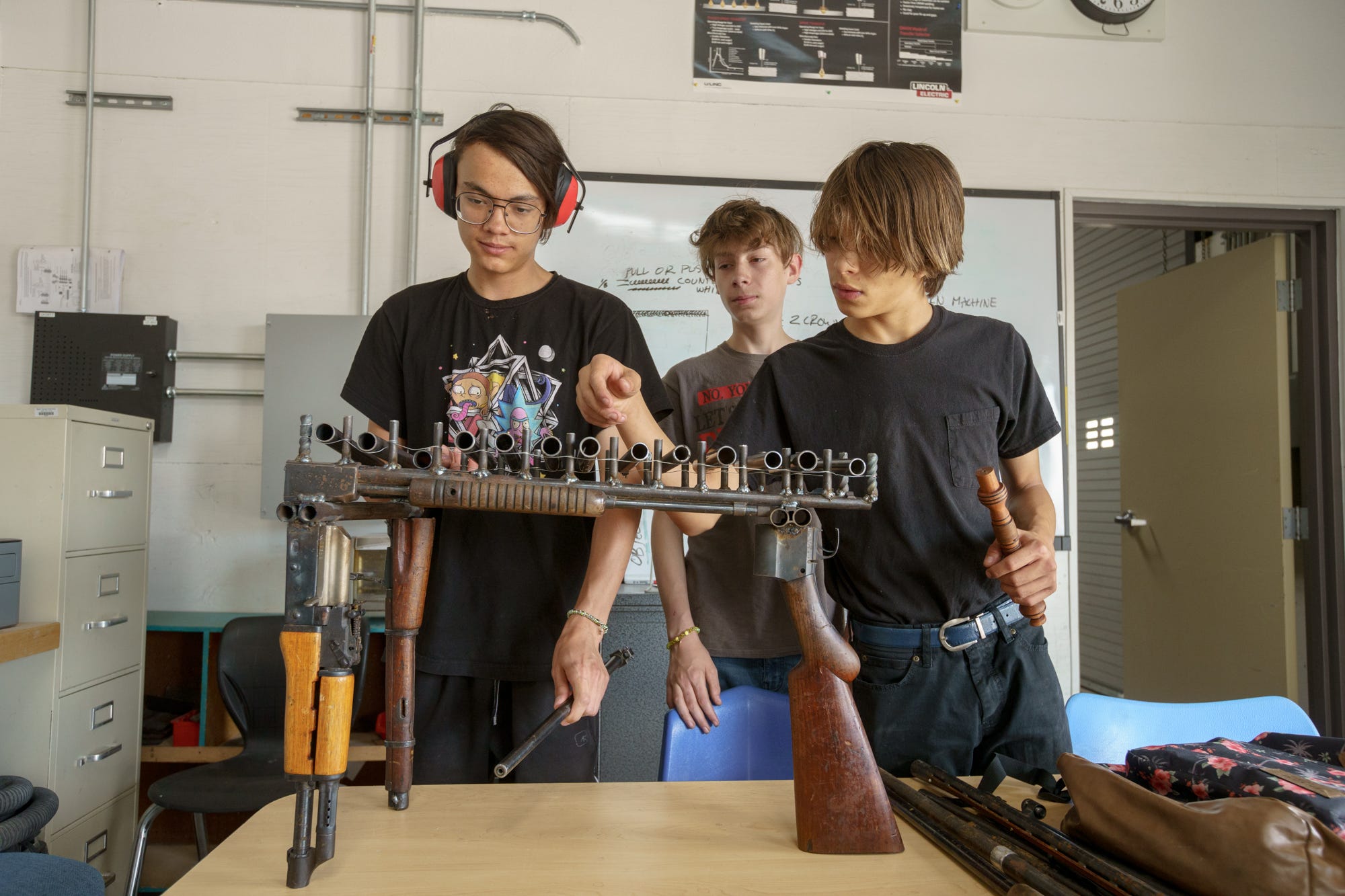
In the craft of blacksmithing, there is a finite, sacred moment of opportunity. Once the metal leaves the heat of the forge, the maker has exactly 17 seconds to strike before the steel loses its plasticity.
In those 17 seconds, the metal is caught in the liminal space between what it was (a tool of harm) and what it will be (a tool of growth). If the strike is too heavy, the metal fractures; if it is too light, the shape refuses to shift.
This 17-second window is a profound metaphor for what we call the living interruption. We all face seasons of high stress, transition, or deep grief, where our lives feel “in the heat.” These are the moments when our old narratives are most malleable. We are forced into a brief, intense window of decision:
Will this pressure break us, or will we use the heat to re-forge our story into something that can turn the soil?
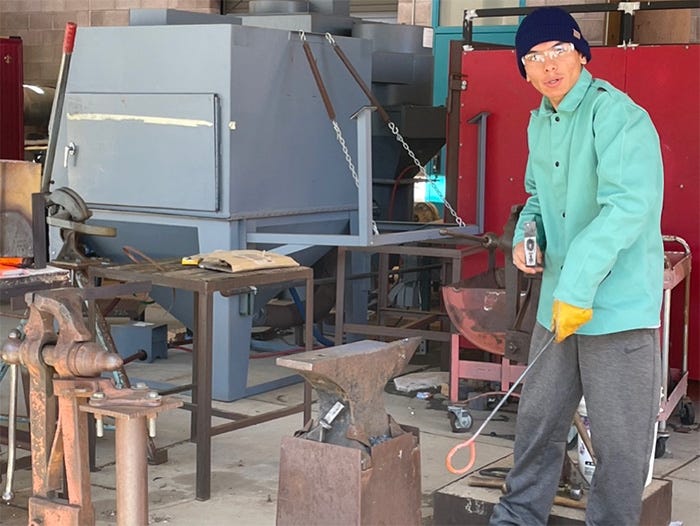
One of the most striking outcomes of Miranda’s leadership is an immersive installation known as The House That Guns Built. Created by youth artists who have lived in the shadow of gun violence, it is a sanctuary that refuses to offer easy comfort.
Inside the house, the Zia symbol is forged from gun barrels. It is a symbol of the sun that also looks, pointedly, like a target. The chairs are made of gun parts; their barrels and clips remain intentionally hard and unforgiving. When a teacher suggested adding cushions to make the seats more comfortable, a student artist refused.
“It should be uncomfortable to sit here,” they said. “Our friends are dying.”
This is the delicacy of remembrance in action. Miranda’s work suggests that legacy doesn’t always have to be comfortable to be healing.
Sometimes, the most dignified thing we can do is sit in the discomfort of our history until we find a way to build something collective from it.
By signing plexiglass panels within the house, communities layer their private grief into a communal tapestry, turning a solitary trauma into a shared infrastructure of care.
When a weapon is hammered into a garden tool or a musical instrument, the physical weight in the hand stays the same, but the purpose shifts entirely. A gun that becomes a shovel makes hope heavy in the hand. This is not mere symbolism; it is legacy as use.
By involving youth in the South Valley, paying them a living wage to learn the trades of welding and fabrication, the program creates a tangible infrastructure of dignity. It transforms the residue of practice into a trade, a paycheck, and a sense of agency. It proves that the best way to honor a difficult past is to put it to work for a better future.
Whether it is a mural that comes alive with augmented poetry or a working xylophone forged from steel that once held bullets, this work reveals a hidden truth:
We are not required to be defined by the residue left behind by the hardest parts of our lives.
We can learn the trade of transformation. We can choose to take the lead of our past and put it back into the forge, striking while the metal is hot to create the tools, the gates, and the songs that will carry us home.
Explore the conversation
This post was inspired by our latest episode of ArtStorming: The Art of Remembrance, featuring the visionary work of Miranda and New Mexicans to Prevent Gun Violence.
Your subscription, likes, comments, and shares help us to reach more listeners and attract the support we need to thrive in these challenging times.
Visit artbridgenm.org to learn more about our nonprofit and its other initiatives. All donations help us spread creativity through courageous conversation throughout our community and beyond. Subscribe now for just $8 or donate directly here.
Beautiful story! Thank you, ArtBridge for spreading courage in these turbulent times. Tears in my eyes right now