
Legacy in Bloom
Interrupting the cycle with Robert Washington-Vaughns

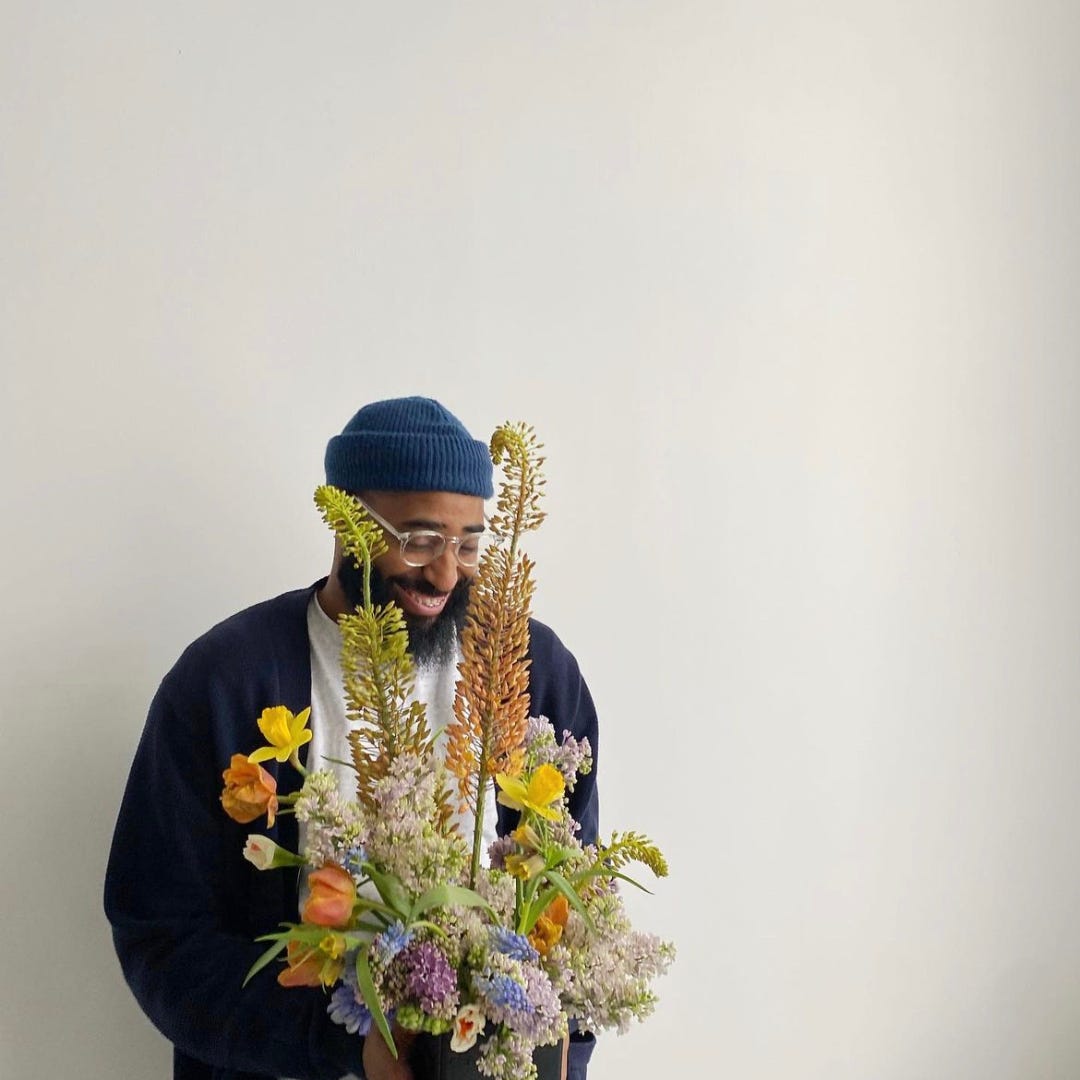
Legacy sounds grand until it gets personal.
In our ArtStorming conversation with Robert Washington-Vaughns, legacy becomes a lived practice: interrupting harmful norms, restoring community, and making room for tenderness inside a culture that often confuses performance with worth.
Robert’s path—pressure to achieve, burnout, a suicidal spiral, and three months of intensive group therapy—reveals how art, nature, and shared language can rewire a life. He didn’t just get better; he built a bridge for others.
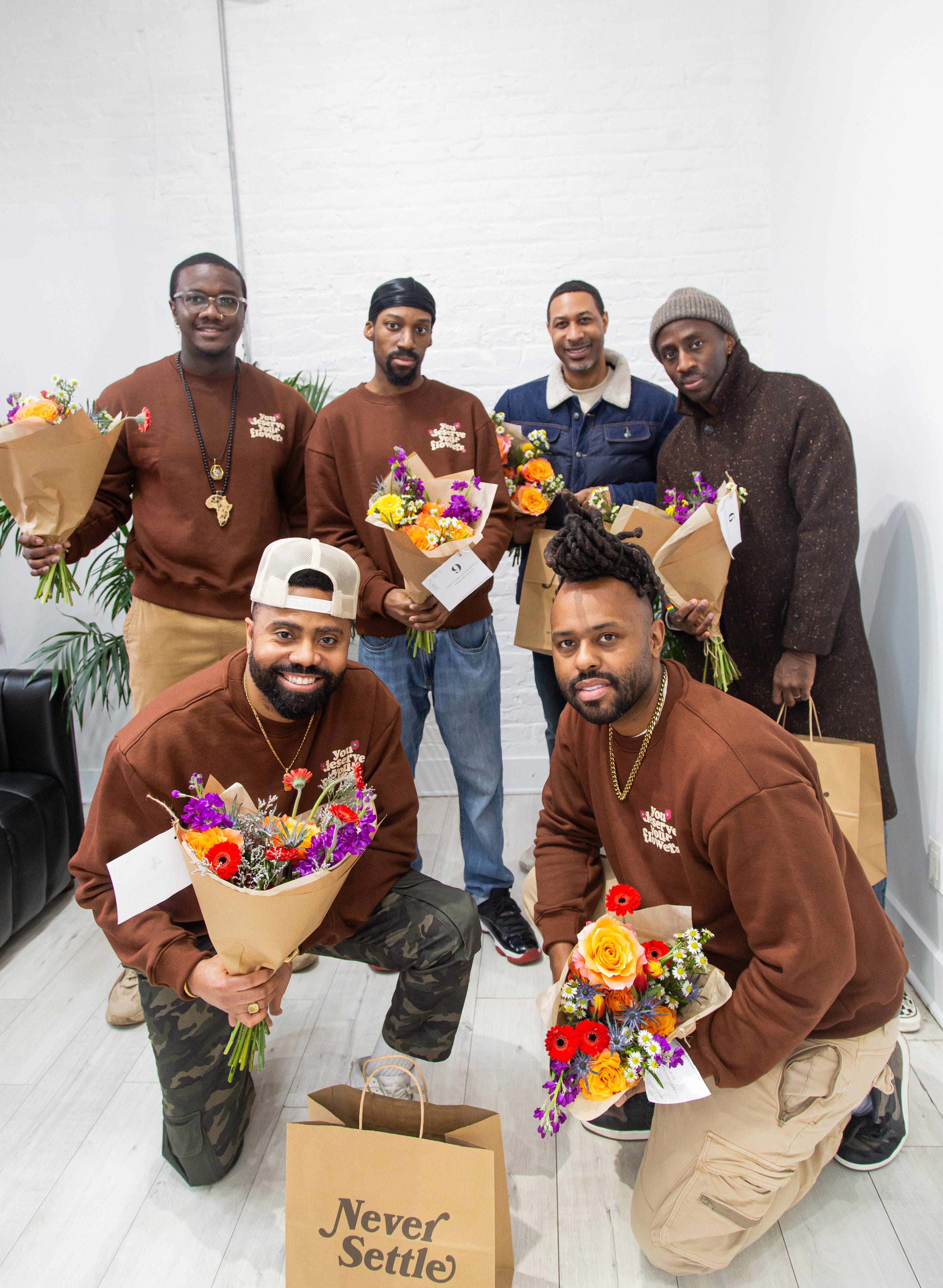
The Black Men Flower Project began with a simple gesture—handing bouquets to men—and grew into a movement that reframes masculinity through beauty, vulnerability, and social permission. The shock of receiving flowers becomes the doorway to gratitude, connection, and self-acceptance.
The project’s power lives in design details: presence over packages, conversation over transactions, and ritual over surprise drops.
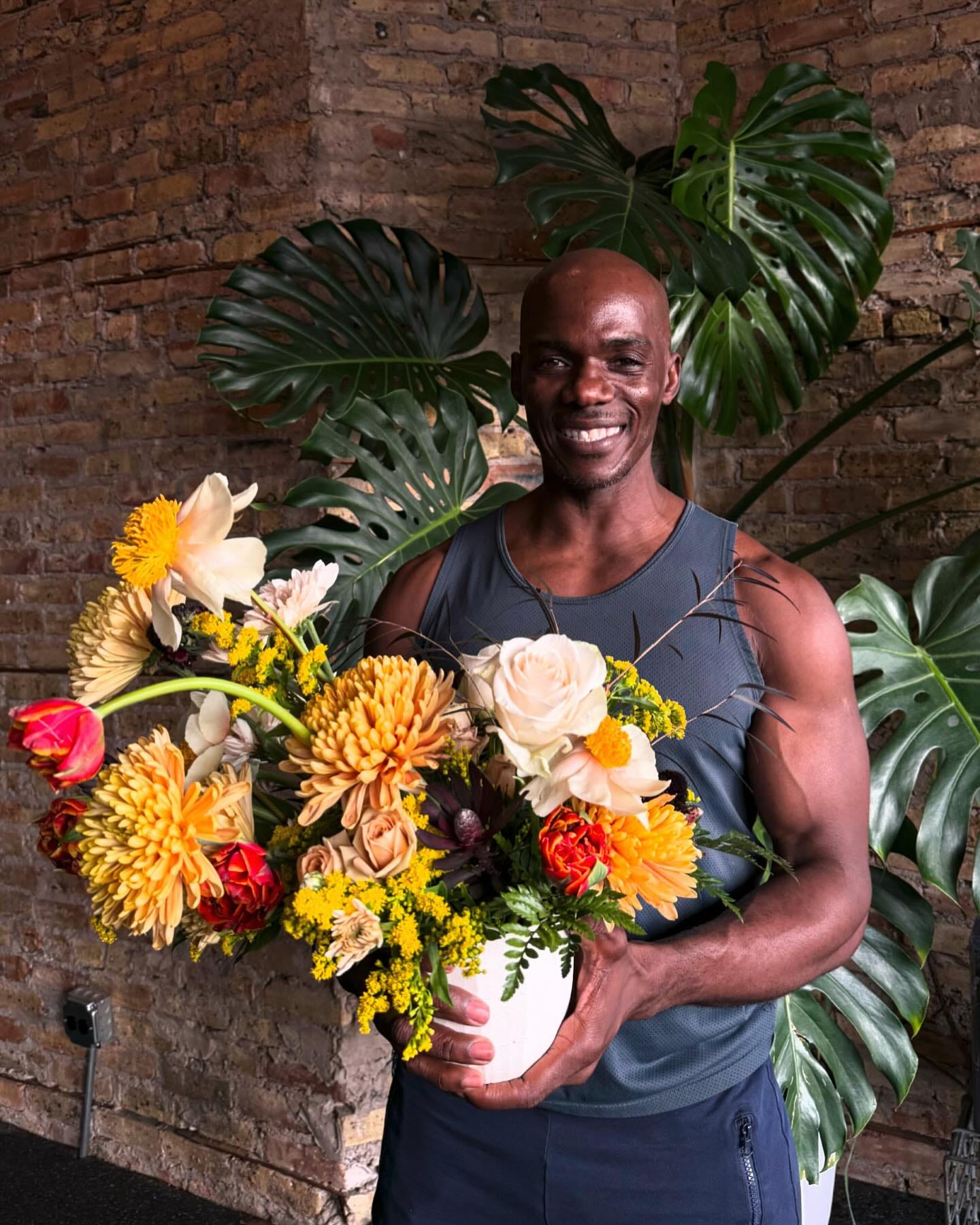
Robert learned that most men have never received flowers, except at sickness or funerals. And many initially refuse them.
But when a friend sits beside them, explains why they’re being honored, and stays through the awkwardness, something shifts. Awe—the jolt of being seen—settles into wonder, the reflective space where meaning forms. Photos document smiles, but the deeper metric is story: following up weeks later to ask what changed.
Men describe feeling acknowledged without having to perform. They bring bouquets to their desks, change the water, and remember they’re allowed to tend to beauty—and themselves.
Robert’s own story adds weight. Raised by a single mother and taught to “succeed or else,” he found achievement empty, then found help in a forested therapy setting where every day included making art and talking.
Later, learning of his father’s schizophrenia reframed decades of silence:
Generational patterns don’t break through willpower alone; they break through context, care, and language.
Flowers, then, are not props. They are symbols of impermanence and presence—beautiful and brief—reminding us to say what matters while we can. That’s why the project favors bouquets over plants: a plant shifts responsibility back onto the receiver; a bouquet asks you to sit with the fleeting, to feel it fully, and to let it go.
Scaling the work has meant partnering with florists in multiple cities, prioritizing community impact over virality, and building safer spaces for Black men and boys to feel without cameras. It also meant grappling with “social permission.” Men often accept only after seeing other men do it, which is why public documentation matters.
At the same time, Robert broadens the lens beyond “mental health” to root causes—financial precarity, food access, and blocked mobility—because distress is often rational. The long game is access to self-actualization, not as a rare high but as daily hang time: more minutes of feeling whole, less time surviving.
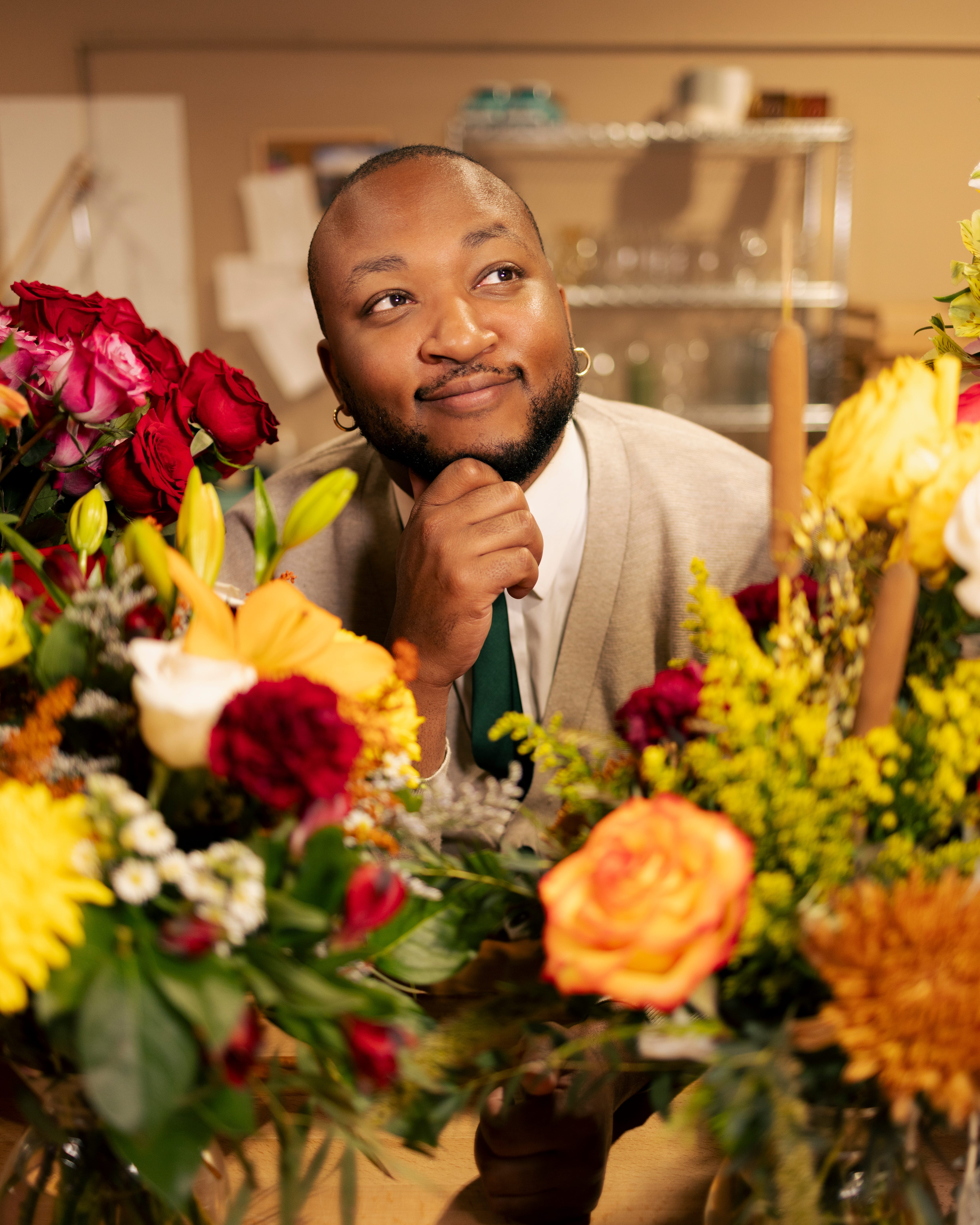
Art, nature, and community are not extras; they are infrastructure for human dignity.
When flowers enter male spaces, they carry more than fragrance; they carry permission—to pause, to feel, to acknowledge one another without competition. Robert calls for a revived rite of passage: not conquest, but connection.
A simple ritual of giving and receiving can seed a new legacy: men who are allowed to be human, who honor each other aloud, and who pay it forward. That legacy is heavy enough to matter and light enough to carry, one bouquet at a time.
Listen to Robert’s ArtStorming episode. Learn more about Black Men Flower Project.
Your subscription, likes, comments, and shares help us to reach more listeners and attract the support we need to thrive in these challenging times.
Visit artbridgenm.org to learn more about our nonprofit and its other initiatives. All donations help us spread creativity through courageous conversation throughout our community and beyond. Subscribe now for just $8 or donate directly here.
Beautiful, brilliant and inspiring!🙏🏼